Media Coverage · July 17, 2026
The Urbanist 2026 Primary Election Endorsements. State Supreme Court, Position 3: Jaime Hawk
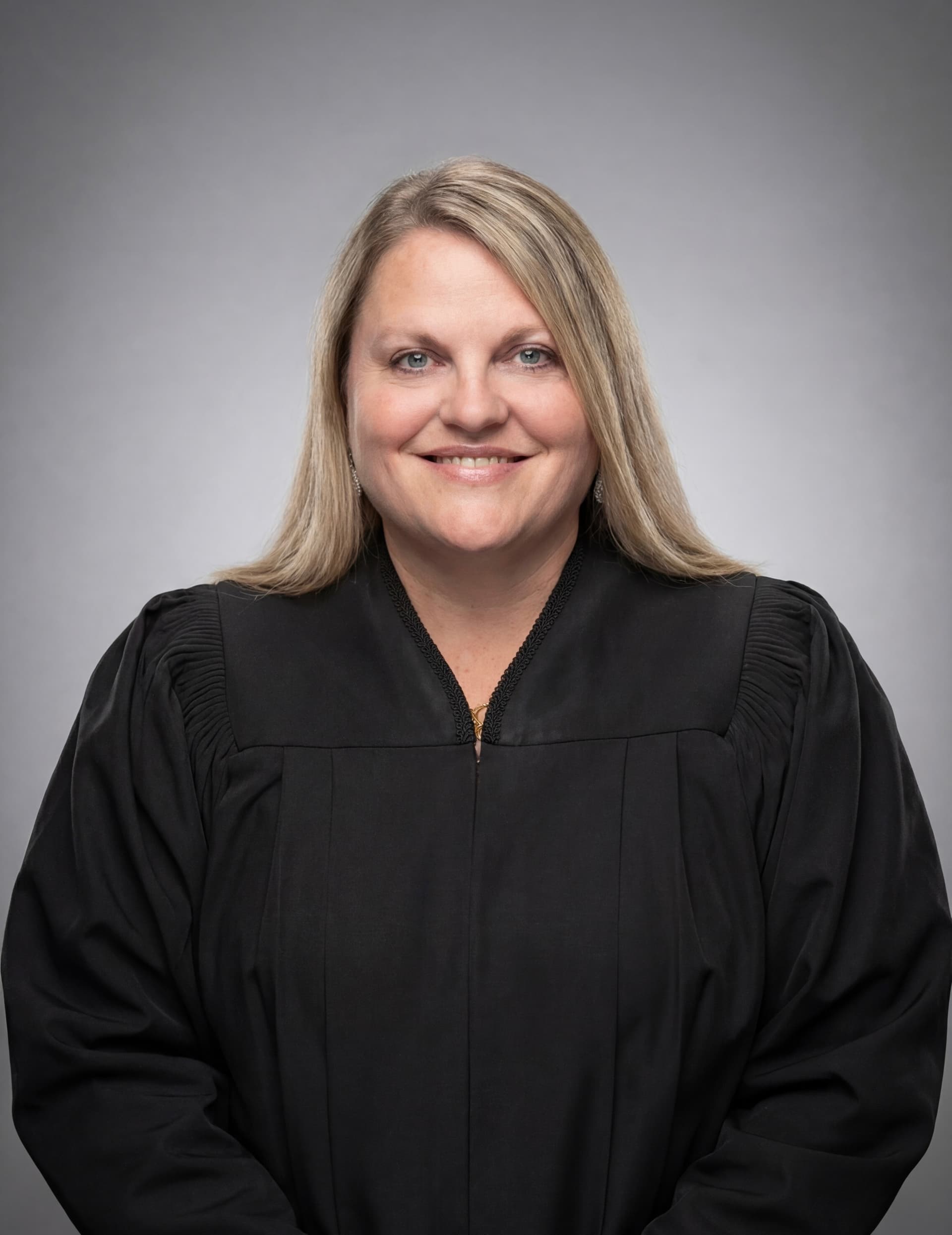
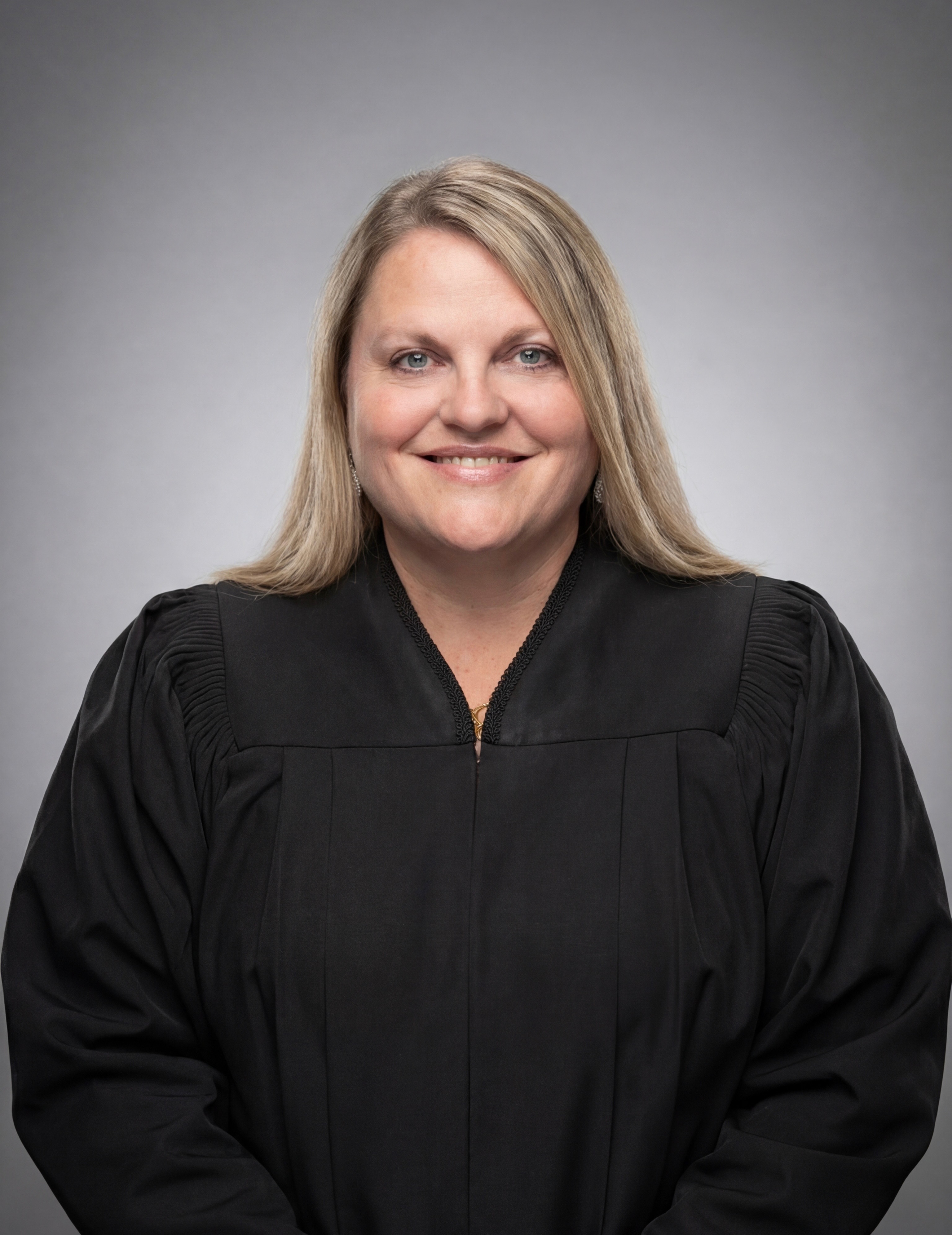
While the choice for this open seat was more difficult, we ultimately decided to support a proven, open-minded reformer over a cautious institutionalist. Vote Judge Hawk.
We were very impressed by Judge Hawk, a King County Superior Court judge. The first in her family to go to college, let alone law school, she worked as a public defender in state and federal courts before joining the ACLU of Washington. While at the ACLU, she worked on ending mass incarceration and promoting economic justice. She was subsequently appointed to King County Superior Court by Governor Inslee, and she also serves on the Supreme Court's Minority and Justice Commission. We appreciated Judge Hawk's demonstrated commitment to fighting for individuals targeted by powerful institutions.
We especially valued Judge Hawk's perspective on housing law, which was informed by her work as a volunteer tenants' rights attorney and as a judge hearing eviction cases. In her interview, she emphasized her efforts to ensure that tenants facing eviction in King County have meaningful access to lawyers. Judge Hawk described facing institutional pressure from other judges to speed up eviction cases, even though tenants' lawyers are already overwhelmed. We appreciated her willingness to resist that pressure. We believe she will be a strong, fair Supreme Court Justice.
We were also impressed by Judge Hawk's opponent, Court of Appeals judge J. Mike Diaz, whose inspiring personal story – immigrating from Peru and excelling in college and law school – is very moving. We were concerned, though, that Judge Diaz's career exemplified a more cautious, institutionalist approach than Judge Hawk's long career fighting for justice. Judge Diaz's six years as a corporate lawyer gave us pause – especially given some of his recent anti-worker judicial opinions, one of which was unanimously reversed by Washington's Supreme Court.
We also worried about some of his experiences as a lawyer for the Department of Justice. In that capacity, he defended the US Postal Service for allegedly retaliating against an employee who reported racial discrimination, a Navy recruiter who acknowledged causing a car accident, and three ICE agents accused of unlawfully detaining an American veteran. This experience contrasts sharply with Judge Hawk's record of fighting for the victims of mass incarceration – including fighting for immigrants as a federal public defender.
To be fair, Judge Diaz did engage in civil rights work after these cases: he helped enforce the federal Fair Housing Act and the federal consent decree that attempted to reform the Seattle Police Department. But Judge Diaz lacks Judge Hawk's ground-level experience with housing law, and his comments about the consent decree illustrated the limits of cautious institutionalism. Judge Diaz began by invoking the murder of John T. Williams, but, when asked why the consent decree failed to reduce police killings, claimed that his team had only focused on reducing other forms of police violence while, apparently, ignoring killings and violence against protestors. What good is a consent decree that doesn't protect basic constitutional rights, or even the right to breathe? We'll take Judge Hawk's years of advocacy over the consent decree's empty promises.
Oh, there's also a third candidate: David Stevens, a Mason County Superior Court judge endorsed by the Washington Republican Party who loves Clarence Thomas. He didn't engage with our process, which saved everyone a lot of time. Don't vote for him.
Washingtonians should elect justices who fight hard and consistently for equal justice. While we respect Judge Diaz, and would probably endorse him against a weaker opponent, we feel that Judge Hawk's track record makes her the best candidate in this race to confront Washington's pressing legal crises. Vote Hawk.